The Locked up Living Podcast: Surviving and thriving in prisons and other challenging environments
Can institutional culture challenge your mental health? What if your job makes you feel shame, sadness, grief, disgust and fear? What if you are expected not to feel? Or you are expected to be relentlessly competitive? What it’s like to live or work in a prison? Does working with people who commit murder, child abuse and rape affect people who work in prisons and the wider criminal justice system?
How do people survive and thrive when facing significant challenges to our emotional health over a lengthy period? How do we protect ourselves and stay compassionate, loving and trusting? Importantly, how do we find and preserve hope?
Fyodor Dostoevsky wrote that “The degree of civilisation in a society can be judged by entering its prisons”. In this weekly podcast ,your hosts, David Jones (Forensic psychotherapist) and Dr Naomi Murphy (Consultant Clinical & Forensic Psychologist) hope that exploring less visible aspects of prisons will help listeners see that prisons are a window into society and let us see people not only at their worst but also at their best. We feature a rich range of guests sharing snap shots of life in prisons and take a look at hospitals, schools, sport and the police in order to learn from other institutions. We learn about challenges to human integrity and hear important lessons and heart-warming stories about survival and growth when facing adversity in harsh places. We hope that sharing our conversations can help you make changes to your own relationship with institutions that might challenge your emotional health and well-being.
Follow and connect with us and give us feedback. Let us know what you think works, and also what doesn’t. We want you to look forward to the podcast each week. We’ll also be extremely grateful for any reviews that you give us. A simple star or two or a thumbs up will do.
Email: lockedupliving@gmail.com or connect with us on:
Substack: https://lockedupliving.substack.com
Twitter: https://twitter.com/LockedUpLiving
Linkedin: https://www.linkedin.com/in/naomimurphypsychologist/
https://www.linkedin.com/in/david-jones-41910b12/
Insta: https://www.instagram.com/lockedupliving/
Listen on:







Episodes

32 minutes ago
32 minutes ago
Join Dr Naomi Murphy and David Jones as they delve into the transformative power of literature within the criminal justice system, through the inspiring insights of Jean Trounstine. An author, activist, and educator, Jean shares her decades of work supporting incarcerated women, the arts behind bars, and her journey creating impactful stories that challenge perceptions of justice and rehabilitation. Her first novel, 'Sounds like trouble to me' is released on 12th May.
In this episode, we cover:
Jean’s personal journey into prison education and theatre
The role of arts and literature in fostering rehabilitation
Differences between the US and England in prison programming
The impact of classic literature, including Shakespeare, behind bars
The significance of the Me Too movement in prison reform
The process of researching and ensuring authenticity in her writing
How storytelling can reveal the humanity of incarcerated women
The community and bonds formed among women in prison
Challenges and opportunities in addressing sensitive topics like abuse and trauma
Jean’s current projects and future plans for her writing
Timestamps:
00:00 - Introduction to Jean Trounstine and her work in prison theatre02:06 - How literature and theatre started shaping her activism04:22 - The unique setting of Framingham Women’s Prison and its history05:50 - The decline in prison arts programs in the US06:42 - Comparing approaches to prison arts in England and the US08:33 - Plans to bring Shakespeare to women in prison10:02 - The importance of exposing prisoners to classical texts12:03 - Jean’s pioneering work directing Shakespeare in prison worldwide13:46 - Her journey from memoir to fiction with her novel “Sounds Like Trouble to Me”15:20 - True stories inspiring her novel16:18 - The uprising at Dublin’s federal prison and its influence on her work17:39 - The development of her characters inspired by real women19:26 - Building authenticity for prison-related details and legal accuracy22:03 - The storytelling process and discovering the narrative organically24:14 - The message of hope and resilience in her book, “Sounds Like Trouble to Me”25:52 - Addressing abuse, trauma, and societal myths about women in prison29:49 - The impact of her work on understanding and rethinking incarceration33:07 - The significance of the Me Too movement in her narratives37:42 - The importance of friendship and solidarity among women in prison40:54 - Personal stories that highlight vulnerability and connection43:56 - The influence of risk-taking and building trust through theatre48:48 - The “Changing Life Through Literature” program and its success54:22 - Upcoming projects and the future of Jean’s writing and activism
32 minutes ago
32 minutes ago
Join Dr Naomi Murphy and David Jones as they delve into the transformative power of literature within the criminal justice system, through the inspiring insights of Jean Trounstine. An author, activist, and educator, Jean shares her decades of work supporting incarcerated women, the arts behind bars, and her journey creating impactful stories that challenge perceptions of justice and rehabilitation. Her first novel, 'Sounds like trouble to me' is released on 12th May.
In this episode, we cover:
Jean’s personal journey into prison education and theatre
The role of arts and literature in fostering rehabilitation
Differences between the US and England in prison programming
The impact of classic literature, including Shakespeare, behind bars
The significance of the Me Too movement in prison reform
The process of researching and ensuring authenticity in her writing
How storytelling can reveal the humanity of incarcerated women
The community and bonds formed among women in prison
Challenges and opportunities in addressing sensitive topics like abuse and trauma
Jean’s current projects and future plans for her writing
Timestamps:
00:00 - Introduction to Jean Trounstine and her work in prison theatre02:06 - How literature and theatre started shaping her activism04:22 - The unique setting of Framingham Women’s Prison and its history05:50 - The decline in prison arts programs in the US06:42 - Comparing approaches to prison arts in England and the US08:33 - Plans to bring Shakespeare to women in prison10:02 - The importance of exposing prisoners to classical texts12:03 - Jean’s pioneering work directing Shakespeare in prison worldwide13:46 - Her journey from memoir to fiction with her novel “Sounds Like Trouble to Me”15:20 - True stories inspiring her novel16:18 - The uprising at Dublin’s federal prison and its influence on her work17:39 - The development of her characters inspired by real women19:26 - Building authenticity for prison-related details and legal accuracy22:03 - The storytelling process and discovering the narrative organically24:14 - The message of hope and resilience in her book, “Sounds Like Trouble to Me”25:52 - Addressing abuse, trauma, and societal myths about women in prison29:49 - The impact of her work on understanding and rethinking incarceration33:07 - The significance of the Me Too movement in her narratives37:42 - The importance of friendship and solidarity among women in prison40:54 - Personal stories that highlight vulnerability and connection43:56 - The influence of risk-taking and building trust through theatre48:48 - The “Changing Life Through Literature” program and its success54:22 - Upcoming projects and the future of Jean’s writing and activism

Wednesday Apr 29, 2026
Wednesday Apr 29, 2026
Barbara Rawlings is a retired sociologist originally gaining her PhD in 1980 from Manchester University with an ethnography of a therapeutic community. She has specialised in qualitive research in a variety of public sector settings and particularly in therapeutic communities. These have been in both community and forensic settings, and have been both democratic therapeutic communities and the more hierarchical TCs which work with drug addiction. She is a co-opted member of CSAAP (Correctional Services Acccreditation and Advice Panel) and most recently has worked on research into the Living Learning Experience (LLE) which is an international training programme for therapeutic community staff.
summary
This interview with Barbara Rawlings explores the world of therapeutic communities, contrasting hierarchical and democratic models, their histories, and their impact on treatment outcomes. Discover insights into staff roles, community dynamics, and the importance of environment in recovery.
keywords
therapeutic communities, hierarchical vs democratic, addiction treatment, mental health, prison rehabilitation, community therapy, personality disorders, recovery models
key topics
Differences between hierarchical and democratic therapeutic communitiesHistory and origins of therapeutic communities in addiction and psychiatryRole of staff and residents in community dynamicsImpact of environment and social time on recoveryChallenges and successes in prison therapeutic communities
sound bites
"In democratic communities, everyone is almost an equal.""Enabling environments reflect real community life.""Mirroring behavior helps understand and change actions."
Chapters
00:00 Introduction to Therapeutic Communities03:16 Understanding Hierarchical vs. Democratic Therapeutic Communities06:40 The Role of Staff in Therapeutic Communities10:23 Length of Stay and Treatment Duration13:54 Research Insights on Therapeutic Communities18:37 Defining Success in Therapeutic Communities29:52 The Importance of Aftercare in Reintegration32:48 Evolution of Therapeutic Communities34:30 Active Ingredients of Democratic Therapeutic Communities36:19 Understanding Offence Paralleling Behavior39:58 Creating a Reflective Environment in Prisons43:24 Accreditation and Program Integrity in Therapeutic Communities49:35 The Role of Community and Fun in Therapeutic Settings52:50 Ten second outro video.mp4
Wednesday Apr 29, 2026
Wednesday Apr 29, 2026
Barbara Rawlings is a retired sociologist originally gaining her PhD in 1980 from Manchester University with an ethnography of a therapeutic community. She has specialised in qualitive research in a variety of public sector settings and particularly in therapeutic communities. These have been in both community and forensic settings, and have been both democratic therapeutic communities and the more hierarchical TCs which work with drug addiction. She is a co-opted member of CSAAP (Correctional Services Acccreditation and Advice Panel) and most recently has worked on research into the Living Learning Experience (LLE) which is an international training programme for therapeutic community staff.
summary
This interview with Barbara Rawlings explores the world of therapeutic communities, contrasting hierarchical and democratic models, their histories, and their impact on treatment outcomes. Discover insights into staff roles, community dynamics, and the importance of environment in recovery.
keywords
therapeutic communities, hierarchical vs democratic, addiction treatment, mental health, prison rehabilitation, community therapy, personality disorders, recovery models
key topics
Differences between hierarchical and democratic therapeutic communitiesHistory and origins of therapeutic communities in addiction and psychiatryRole of staff and residents in community dynamicsImpact of environment and social time on recoveryChallenges and successes in prison therapeutic communities
sound bites
"In democratic communities, everyone is almost an equal.""Enabling environments reflect real community life.""Mirroring behavior helps understand and change actions."
Chapters
00:00 Introduction to Therapeutic Communities03:16 Understanding Hierarchical vs. Democratic Therapeutic Communities06:40 The Role of Staff in Therapeutic Communities10:23 Length of Stay and Treatment Duration13:54 Research Insights on Therapeutic Communities18:37 Defining Success in Therapeutic Communities29:52 The Importance of Aftercare in Reintegration32:48 Evolution of Therapeutic Communities34:30 Active Ingredients of Democratic Therapeutic Communities36:19 Understanding Offence Paralleling Behavior39:58 Creating a Reflective Environment in Prisons43:24 Accreditation and Program Integrity in Therapeutic Communities49:35 The Role of Community and Fun in Therapeutic Settings52:50 Ten second outro video.mp4

Thursday Apr 23, 2026
Thursday Apr 23, 2026
In this episode Naomi and David explore with Sophie and Nujoji the nuanced experiences of women in prison who are convicted of murder, through the lens of therapeutic community research. We delve into the processes of change, identity reconstruction, and the significance of relational work in high-security settings.
In this episode:
The motivations behind working in women's prisons and the therapeutic community at HMP Send
Unique challenges faced by women convicted of murder and how their identities are shaped by societal labels
The importance of being nimble and relational in unpredictable prison environments
The role and impact of labels such as "murderer" on personal identity and social perceptions
Methodological insights: Why interpretive phenomenological analysis (IPA) was chosen for this research
Key themes: honesty, discomfort, turbulence, and their roles in psychological growth
The significance of belonging, love, and trust in healing and change processes
Staff strategies for supporting women through turbulence and maintaining professionalism amidst emotional challenges
Addressing racial biases and the importance of reflexivity within prison-based services
How staff self-care and team cohesion foster a therapeutic milieu under complex circumstances
Timestamps:
00:00 - Introduction to research on women in therapeutic prison communities02:02 - Nujoji and Sophie’s backgrounds and motivations06:23 - Distinctiveness of the women's therapeutic community and research importance09:11 - Why interpretive phenomenological analysis was chosen10:36 - Participants' experiences of being labeled as "murderers"13:42 - The cycle of labels, fear, and identity16:00 - Society's role in condemning and the potential for change20:08 - Constructing the idea of being loved in a prison context23:22 - Moments of insight and change in therapeutic groups28:19 - The dynamics of group work and the impact of honesty and discomfort33:07 - Supporting women in tolerating turbulence and emotional regulation37:17 - The importance of boundaries and team dynamics in group settings44:10 - How large community groups help realign therapeutic processes48:50 - Addressing racial undertones and service reflection54:18 - The unique position of male staff working with women in prison58:36 - The relational nature of identity, difference, and race in therapy60:26 - Protecting staff well-being in emotionally charged environments64:24 - Concluding thoughts on memory, self-recrimination, and ongoing growth
This episode offers deep reflections on the complexity of prison-based therapeutic work, crucial for practitioners, policymakers, and anyone interested in the transformative potential within high-security environments.
Thursday Apr 23, 2026
Thursday Apr 23, 2026
In this episode Naomi and David explore with Sophie and Nujoji the nuanced experiences of women in prison who are convicted of murder, through the lens of therapeutic community research. We delve into the processes of change, identity reconstruction, and the significance of relational work in high-security settings.
In this episode:
The motivations behind working in women's prisons and the therapeutic community at HMP Send
Unique challenges faced by women convicted of murder and how their identities are shaped by societal labels
The importance of being nimble and relational in unpredictable prison environments
The role and impact of labels such as "murderer" on personal identity and social perceptions
Methodological insights: Why interpretive phenomenological analysis (IPA) was chosen for this research
Key themes: honesty, discomfort, turbulence, and their roles in psychological growth
The significance of belonging, love, and trust in healing and change processes
Staff strategies for supporting women through turbulence and maintaining professionalism amidst emotional challenges
Addressing racial biases and the importance of reflexivity within prison-based services
How staff self-care and team cohesion foster a therapeutic milieu under complex circumstances
Timestamps:
00:00 - Introduction to research on women in therapeutic prison communities02:02 - Nujoji and Sophie’s backgrounds and motivations06:23 - Distinctiveness of the women's therapeutic community and research importance09:11 - Why interpretive phenomenological analysis was chosen10:36 - Participants' experiences of being labeled as "murderers"13:42 - The cycle of labels, fear, and identity16:00 - Society's role in condemning and the potential for change20:08 - Constructing the idea of being loved in a prison context23:22 - Moments of insight and change in therapeutic groups28:19 - The dynamics of group work and the impact of honesty and discomfort33:07 - Supporting women in tolerating turbulence and emotional regulation37:17 - The importance of boundaries and team dynamics in group settings44:10 - How large community groups help realign therapeutic processes48:50 - Addressing racial undertones and service reflection54:18 - The unique position of male staff working with women in prison58:36 - The relational nature of identity, difference, and race in therapy60:26 - Protecting staff well-being in emotionally charged environments64:24 - Concluding thoughts on memory, self-recrimination, and ongoing growth
This episode offers deep reflections on the complexity of prison-based therapeutic work, crucial for practitioners, policymakers, and anyone interested in the transformative potential within high-security environments.

Wednesday Apr 15, 2026
Wednesday Apr 15, 2026
Therapeutic Community Elders & the PETT Archive (Planned Environment Therapy Trust)
Episode summary: In this conversation, David Jones and Naomi Murphy are joined by Tom Harrison, Sarah Paget, Vicky Gavin, and David Kennard.. Together they explore what the Therapeutic Community (TC) Elders are, why their monthly open forums matter, and what it means for the field that the PETT archive at Toddington is closing. The group reflects on sustaining therapeutic community ideas, making knowledge accessible through a “living archive” (including Vicky’s A–Z artwork concept), and how people can get involved.
Guests
Tom Harrison – Psychiatrist (worked in a therapeutic community in the 1970s); historian of therapeutic communities.
Sarah Paget – Director at the Mulberry Bush; supports and coordinates the TC Elders and related activity.
Vicky (Victoria) – Formerly worked at The Retreat (Acorn programme) and managed the therapeutic community at HMP Send; also an artist developing an A–Z “living archive” concept.
David Kennard – Clinical psychologist; long-standing contributor to the therapeutic community field (including writing/editing roles) and TC Elders participant.
In this episode
Where the idea of the TC Elders came from and what the group is for.
Why the monthly Zoom Open Forums have become a key way of staying connected across countries and services.
How the Elders aim to hold a space for thinking, including “negative capability” (the capacity to sit with not knowing).
Who the Open Forums are for (not only people in formal therapeutic communities), and what people get from attending.
The story and purpose of the PETT archive—and what is being lost (and potentially preserved) as it closes.
A “living archive” approach: Vicky’s A–Z artwork as a way to invite memories, reflections, and contributions from the wider community.
Chapters / timestamps (Times approx.)
01:03 – Welcome and what the conversation will cover (TC Elders and the PETT archive).
01:29 – Introductions: Tom Harrison, Sarah Paget, Vicky (Victoria), David Kennard, Dr Naomi Murphy.
03:51 – What are the Therapeutic Community Elders and why were they formed?
05:51 – The monthly Open Forums: connection, learning, and support across settings and countries.
10:03 – How to access the Open Forums; typical attendance and the “no fee” ethos.
15:26 – Who can be an Elder? How invitations work and why in-person meetings matter.
21:51 – Vicky’s A–Z “living archive” artwork idea and how it could become open and collaborative.
28:38 – What is the PETT archive and what has it contained?
32:39 – Why the archive is closing (May 31) and the practical realities of maintaining it.
33:59 – Preserving therapeutic community ideas in a climate that often undervalues long-term, relational work.
40:04 – Closing reflections: why therapeutic community ideas are “common sense” and broader than TCs.
Key takeaways
The TC Elders are less about “giving answers” and more about holding a reflective space for practitioners and communities.
The Open Forums function as a predictable monthly “anchor” that supports people doing relational work in challenging contexts.
The PETT archive represents a major collective memory of therapeutic community practice; its closure highlights the real costs of preserving history.
“Living archive” approaches (like the A–Z concept) may help capture stories, artefacts, and learning that don’t always make it into formal publications.
Resources / contact
TC Elders contact : Sarah Paget – spaget@mulberrybush.org.uk
Host organisation: The Mulberry Bush (hosts the TC Elders).
Archive discussed: PETT archive (Planned Environment Therapy Trust archive) at Toddington (noted as closing May 31).
Wednesday Apr 15, 2026
Wednesday Apr 15, 2026
Therapeutic Community Elders & the PETT Archive (Planned Environment Therapy Trust)
Episode summary: In this conversation, David Jones and Naomi Murphy are joined by Tom Harrison, Sarah Paget, Vicky Gavin, and David Kennard.. Together they explore what the Therapeutic Community (TC) Elders are, why their monthly open forums matter, and what it means for the field that the PETT archive at Toddington is closing. The group reflects on sustaining therapeutic community ideas, making knowledge accessible through a “living archive” (including Vicky’s A–Z artwork concept), and how people can get involved.
Guests
Tom Harrison – Psychiatrist (worked in a therapeutic community in the 1970s); historian of therapeutic communities.
Sarah Paget – Director at the Mulberry Bush; supports and coordinates the TC Elders and related activity.
Vicky (Victoria) – Formerly worked at The Retreat (Acorn programme) and managed the therapeutic community at HMP Send; also an artist developing an A–Z “living archive” concept.
David Kennard – Clinical psychologist; long-standing contributor to the therapeutic community field (including writing/editing roles) and TC Elders participant.
In this episode
Where the idea of the TC Elders came from and what the group is for.
Why the monthly Zoom Open Forums have become a key way of staying connected across countries and services.
How the Elders aim to hold a space for thinking, including “negative capability” (the capacity to sit with not knowing).
Who the Open Forums are for (not only people in formal therapeutic communities), and what people get from attending.
The story and purpose of the PETT archive—and what is being lost (and potentially preserved) as it closes.
A “living archive” approach: Vicky’s A–Z artwork as a way to invite memories, reflections, and contributions from the wider community.
Chapters / timestamps (Times approx.)
01:03 – Welcome and what the conversation will cover (TC Elders and the PETT archive).
01:29 – Introductions: Tom Harrison, Sarah Paget, Vicky (Victoria), David Kennard, Dr Naomi Murphy.
03:51 – What are the Therapeutic Community Elders and why were they formed?
05:51 – The monthly Open Forums: connection, learning, and support across settings and countries.
10:03 – How to access the Open Forums; typical attendance and the “no fee” ethos.
15:26 – Who can be an Elder? How invitations work and why in-person meetings matter.
21:51 – Vicky’s A–Z “living archive” artwork idea and how it could become open and collaborative.
28:38 – What is the PETT archive and what has it contained?
32:39 – Why the archive is closing (May 31) and the practical realities of maintaining it.
33:59 – Preserving therapeutic community ideas in a climate that often undervalues long-term, relational work.
40:04 – Closing reflections: why therapeutic community ideas are “common sense” and broader than TCs.
Key takeaways
The TC Elders are less about “giving answers” and more about holding a reflective space for practitioners and communities.
The Open Forums function as a predictable monthly “anchor” that supports people doing relational work in challenging contexts.
The PETT archive represents a major collective memory of therapeutic community practice; its closure highlights the real costs of preserving history.
“Living archive” approaches (like the A–Z concept) may help capture stories, artefacts, and learning that don’t always make it into formal publications.
Resources / contact
TC Elders contact : Sarah Paget – spaget@mulberrybush.org.uk
Host organisation: The Mulberry Bush (hosts the TC Elders).
Archive discussed: PETT archive (Planned Environment Therapy Trust archive) at Toddington (noted as closing May 31).

Wednesday Apr 08, 2026
Wednesday Apr 08, 2026
Together with David Jones and Naomi Murphy Keith shares his harrowing experience of abuse at Grafton Close children's home, the systemic failures of institutions, and the ongoing fight for justice and accountability. This candid conversation sheds light on the dark realities of institutional abuse, survivor resilience, and the need for societal change.
keywords
child abuse, institutional failure, survivor stories, justice, accountability, systemic abuse, Grafton Close, child protection, trauma, activism
key topics
Systemic failure in child protection
Survivor activism and advocacy
Institutional cover-ups and accountability
key frameworks
Institutional Culture and Child Protection
action items
Survivors should seek support from trusted individuals and organizations.
Institutions must be transparent and accountable for past abuses.
Society needs to listen to survivor stories to drive systemic change.
Advocate for stronger laws and policies to protect children and support survivors.
Sound Bites
"Paedophiles are not just male, they can be female too."
"Survivors have nothing to be ashamed of."
"We need systemic change to protect children."
Chapters (Timings approx)
00:00
Unveiling Grafton Close: A Dark History
05:06
Personal Accounts of Abuse
11:00
The Role of Staff: Ignorance or Complicity?
16:50
Seeking Accountability from Richmond Council
25:57
The Quest for Truth: FOI Requests and Denials
27:20
The Struggle Against Institutional Barriers
28:42
Uncovering the Past: The Case of Philip Saunders
34:15
Seeking Acknowledgment: The Role of the Council
36:38
The Power of Speaking Out: Waiving Anonymity
39:30
The Need for Systemic Change: Addressing Institutional Failures
42:39
The Stagnation of Justice: Challenges with the Council
47:14
Reflections on the Independent Inquiry: Missed Opportunities
51:24
Coping with the Emotional Toll: The Burden of Advocacy
53:53
Wednesday Apr 08, 2026
Wednesday Apr 08, 2026
Together with David Jones and Naomi Murphy Keith shares his harrowing experience of abuse at Grafton Close children's home, the systemic failures of institutions, and the ongoing fight for justice and accountability. This candid conversation sheds light on the dark realities of institutional abuse, survivor resilience, and the need for societal change.
keywords
child abuse, institutional failure, survivor stories, justice, accountability, systemic abuse, Grafton Close, child protection, trauma, activism
key topics
Systemic failure in child protection
Survivor activism and advocacy
Institutional cover-ups and accountability
key frameworks
Institutional Culture and Child Protection
action items
Survivors should seek support from trusted individuals and organizations.
Institutions must be transparent and accountable for past abuses.
Society needs to listen to survivor stories to drive systemic change.
Advocate for stronger laws and policies to protect children and support survivors.
Sound Bites
"Paedophiles are not just male, they can be female too."
"Survivors have nothing to be ashamed of."
"We need systemic change to protect children."
Chapters (Timings approx)
00:00
Unveiling Grafton Close: A Dark History
05:06
Personal Accounts of Abuse
11:00
The Role of Staff: Ignorance or Complicity?
16:50
Seeking Accountability from Richmond Council
25:57
The Quest for Truth: FOI Requests and Denials
27:20
The Struggle Against Institutional Barriers
28:42
Uncovering the Past: The Case of Philip Saunders
34:15
Seeking Acknowledgment: The Role of the Council
36:38
The Power of Speaking Out: Waiving Anonymity
39:30
The Need for Systemic Change: Addressing Institutional Failures
42:39
The Stagnation of Justice: Challenges with the Council
47:14
Reflections on the Independent Inquiry: Missed Opportunities
51:24
Coping with the Emotional Toll: The Burden of Advocacy
53:53

Wednesday Apr 01, 2026
Wednesday Apr 01, 2026
Dr. Mariana Brussoni is Director of the Human Early Learning Partnership at the University of British Columbia, professor in the UBC Department of Pediatrics and School of Population and Public Health, Investigator at British Columbia Children’s Hospital Research Institute and lead of the Outside Play Lab. Her award-winning research investigates children’s outdoor and risky play, focusing on shifting parents’ and educators’ perceptions of risk, designing play-friendly environments, and changing systems to ensure children have the time, space and freedom to play outside every day. Mariana’s new book, Embracing Risky Play at School, co-authored with Megan Zeni, provides simple, actionable strategies for teachers and schools.
Dr. Mariana Brussoni is Director of the Human Early Learning Partnership at the University of British Columbia, professor in the UBC Department of Pediatrics and School of Population and Public Health, Investigator at British Columbia Children’s Hospital Research Institute and lead of the Outside Play Lab. Her award-winning research investigates children’s outdoor and risky play, focusing on shifting parents’ and educators’ perceptions of risk, designing play-friendly environments, and changing systems to ensure children have the time, space and freedom to play outside every day. Mariana’s new book, Embracing Risky Play at School, co-authored with Megan Zeni, provides simple, actionable strategies for teachers and schools.
https://blackwells.co.uk/bookshop/product/Embracing-Risky-Play-at-School-by-Megan-Zeni-Mariana-Brussoni/9780807783993?srsltid=AfmBOorD7mPo0kZ2_s2XXk8EVtwpTx24uOYOnp4TcWrWgPnyAsJydoL1
summary
This conversation explores the importance of risky outdoor play for children's development, the societal shifts that have reduced play opportunities, and how rethinking our approach can benefit children's mental and physical health.
keywords
risky play, childhood development, outdoor play, societal change, mental health, play safety, childhood devaluation
key topics
Definition and importance of risky playEvolutionary and developmental benefits of risky playSocietal changes reducing outdoor playImpact of reduced play on mental healthStrategies to promote safe risky play
sound bites
"Children need micro doses of uncertainty to thrive""Urbanization and screens have reduced outdoor play""Society undervalues childhood and play"
Chapters (timings approx)
00:00 The Importance of Play in Child Development02:44 Defining Risky Play and Its Benefits05:34 Gender Differences in Risky Play07:51 The Evolutionary Need for Risky Play10:33 The Impact of Overprotective Parenting13:18 Societal Changes and Fear of Risky Play16:07 Structured Activities vs. Free Play18:39 Access to Play for Lower-Income Families21:27 The Value of Play in Education23:48 Reimagining Play in Schools26:29 Addressing ADHD and Learning Challenges29:17 The Role of Adults in Managing Play31:44 Finding Joy and Fun in Play34:40 Encouraging Adult Playfulness
resources
Outdoor Play and Learning (OPAL) program - https://www.opalexplorenature.org/Stuart Brown's work on play - https://www.amazon.com/Play-How-It-Makes-Us-Human/dp/031236553XEllen Sandsetter's research on risky play - https://www.researchgate.net/profile/Ellen-SandseterBritish Columbia's Children's Hospital - https://www.bcchildrens.ca/
guest links
LinkedIn - https://www.linkedin.com/in/mariana-brussoni/
Wednesday Apr 01, 2026
Wednesday Apr 01, 2026
Dr. Mariana Brussoni is Director of the Human Early Learning Partnership at the University of British Columbia, professor in the UBC Department of Pediatrics and School of Population and Public Health, Investigator at British Columbia Children’s Hospital Research Institute and lead of the Outside Play Lab. Her award-winning research investigates children’s outdoor and risky play, focusing on shifting parents’ and educators’ perceptions of risk, designing play-friendly environments, and changing systems to ensure children have the time, space and freedom to play outside every day. Mariana’s new book, Embracing Risky Play at School, co-authored with Megan Zeni, provides simple, actionable strategies for teachers and schools.
Dr. Mariana Brussoni is Director of the Human Early Learning Partnership at the University of British Columbia, professor in the UBC Department of Pediatrics and School of Population and Public Health, Investigator at British Columbia Children’s Hospital Research Institute and lead of the Outside Play Lab. Her award-winning research investigates children’s outdoor and risky play, focusing on shifting parents’ and educators’ perceptions of risk, designing play-friendly environments, and changing systems to ensure children have the time, space and freedom to play outside every day. Mariana’s new book, Embracing Risky Play at School, co-authored with Megan Zeni, provides simple, actionable strategies for teachers and schools.
https://blackwells.co.uk/bookshop/product/Embracing-Risky-Play-at-School-by-Megan-Zeni-Mariana-Brussoni/9780807783993?srsltid=AfmBOorD7mPo0kZ2_s2XXk8EVtwpTx24uOYOnp4TcWrWgPnyAsJydoL1
summary
This conversation explores the importance of risky outdoor play for children's development, the societal shifts that have reduced play opportunities, and how rethinking our approach can benefit children's mental and physical health.
keywords
risky play, childhood development, outdoor play, societal change, mental health, play safety, childhood devaluation
key topics
Definition and importance of risky playEvolutionary and developmental benefits of risky playSocietal changes reducing outdoor playImpact of reduced play on mental healthStrategies to promote safe risky play
sound bites
"Children need micro doses of uncertainty to thrive""Urbanization and screens have reduced outdoor play""Society undervalues childhood and play"
Chapters (timings approx)
00:00 The Importance of Play in Child Development02:44 Defining Risky Play and Its Benefits05:34 Gender Differences in Risky Play07:51 The Evolutionary Need for Risky Play10:33 The Impact of Overprotective Parenting13:18 Societal Changes and Fear of Risky Play16:07 Structured Activities vs. Free Play18:39 Access to Play for Lower-Income Families21:27 The Value of Play in Education23:48 Reimagining Play in Schools26:29 Addressing ADHD and Learning Challenges29:17 The Role of Adults in Managing Play31:44 Finding Joy and Fun in Play34:40 Encouraging Adult Playfulness
resources
Outdoor Play and Learning (OPAL) program - https://www.opalexplorenature.org/Stuart Brown's work on play - https://www.amazon.com/Play-How-It-Makes-Us-Human/dp/031236553XEllen Sandsetter's research on risky play - https://www.researchgate.net/profile/Ellen-SandseterBritish Columbia's Children's Hospital - https://www.bcchildrens.ca/
guest links
LinkedIn - https://www.linkedin.com/in/mariana-brussoni/

Wednesday Mar 25, 2026
Wednesday Mar 25, 2026
Tom Harrison, a social psychiatrist and author, shares insights from his extensive work on therapeutic communities (TCs), focusing on the history and significance of the now-closed Ingrebourne Centre. Discover how these settings foster healing through social connection, leadership, and community, and their lessons for modern mental health services.
Key Topics
The history and importance of the Ingrebourne Centre within UK therapeutic communities
Core features of therapeutic communities: open communication, safety, and trust
Hierarchy challenges in mental health services and the potential for flatter, more collaborative models
The social and sociological aspects of TCs, including belonging and mutual aid
The role of communal activities like group meetings, psychotherapy, and creative groups
Transitional emotional space and the imaginative concept of "Imagined Ingrebourne"
Leadership styles in TCs: rebellious pioneers, considered leaders, and authoritarian tendencies
The permeable nature of therapeutic communities and boundaries with the outside world
Lessons for contemporary NHS and mental health services: community meetings, staff presence, and patient involvement
The importance of staff valuing and engaging actively in group activities to foster trust and safety
Timestamps (Approx)
00:00 - Introduction to Tom Harrison's background in NHS and therapeutic communities02:57 - Explanation of therapeutic community features and their importance04:50 - Impact of hierarchical structures and authority on therapeutic relationships09:14 - Leadership styles of pioneers and modern NHS parallels11:23 - The blurred line between staff and patients in TCs and its significance13:48 - The metaphor of family and belonging in therapeutic recovery16:11 - How early trauma and childhood wounds can be healed in community settings17:25 - Types of groups in TCs: community meetings, psychotherapy, recreational activities20:12 - The "here and now" focus in group interventions and emotional work23:39 - Spontaneous and creative groups like art therapy and their value25:58 - Staff reflections, group dynamics, and the role of leadership during crises28:07 - Harold Bridger's concept of transitional and imagined spaces30:24 - Boundaries and permeability of the Ingrebourne Centre and other TCs32:39 - The ongoing life and influence of therapeutic communities after closure33:37 - The power of mutual aid among patients and peer support’s significance36:19 - Social dynamics, group behavior, and the importance of leadership in TCs38:10 - Staff engagement in groups and establishing a culture of respect and safety39:50 - The role of staff bound by care, presence, and boundary-setting42:34 - The importance of kitchen and communal activities in fostering trust46:53 - Tensions between psychoanalytic approaches and social methods in the history of TCs49:15 - Lessons for modern mental health services: community meetings, patient involvement, spontaneous support networks52:29 - Wrap-up and appreciation for Tom Harrison's insights and ongoing research
Resources
Richard Crockett — founder of the Ingrebourne Centre,
Craig Fees —PETT archive
Hamish Henderson — junior doctor influencing early TC practice
Maxwell Jones —Henderson Hospital, Dingleton and TCs
Tom Main —hierarchy and TC theory, Cassel Hospital
Alex Renton — referenced indirectly in discussion of hierarchy and rebellion
and in relation to public schools
Bertram Mandelbrote — Consultant psychiatrist, Phoenix Unit in Oxford
David Clarke — identified as a thoughtful TC leader Cambridge.
Andy Roberts — former patient,
Kurt Lewin —group dynamics
John Rickman — psychoanalyst
Wilfred Bion — referenced in relation to Northfield and group theory psychoanalyst
Harold Bridger — major figure re transitional space, psychiatrist
Jacob Moreno psychodrama
Lawrence Bradwick art therapy (≈24:30) [Document | Word]
Donald Winnicott — psychoanalyst, transitional space
Frederich Nietzsche — philosopher
Closing Remarks
This episode offers valuable lessons from the history and practice of therapeutic communities, emphasizing the social and relational aspects central to healing. Whether you're a mental health professional, a researcher, or interested listener, Tom's insights inspire a rethinking of how care environments can promote trust, safety, and genuine connection.

Wednesday Mar 25, 2026
Wednesday Mar 25, 2026
Tom Harrison, a social psychiatrist and author, shares insights from his extensive work on therapeutic communities (TCs), focusing on the history and significance of the now-closed Ingrebourne Centre. Discover how these settings foster healing through social connection, leadership, and community, and their lessons for modern mental health services.
Key Topics
The history and importance of the Ingrebourne Centre within UK therapeutic communities
Core features of therapeutic communities: open communication, safety, and trust
Hierarchy challenges in mental health services and the potential for flatter, more collaborative models
The social and sociological aspects of TCs, including belonging and mutual aid
The role of communal activities like group meetings, psychotherapy, and creative groups
Transitional emotional space and the imaginative concept of "Imagined Ingrebourne"
Leadership styles in TCs: rebellious pioneers, considered leaders, and authoritarian tendencies
The permeable nature of therapeutic communities and boundaries with the outside world
Lessons for contemporary NHS and mental health services: community meetings, staff presence, and patient involvement
The importance of staff valuing and engaging actively in group activities to foster trust and safety
Timestamps (Approx)
00:00 - Introduction to Tom Harrison's background in NHS and therapeutic communities02:57 - Explanation of therapeutic community features and their importance04:50 - Impact of hierarchical structures and authority on therapeutic relationships09:14 - Leadership styles of pioneers and modern NHS parallels11:23 - The blurred line between staff and patients in TCs and its significance13:48 - The metaphor of family and belonging in therapeutic recovery16:11 - How early trauma and childhood wounds can be healed in community settings17:25 - Types of groups in TCs: community meetings, psychotherapy, recreational activities20:12 - The "here and now" focus in group interventions and emotional work23:39 - Spontaneous and creative groups like art therapy and their value25:58 - Staff reflections, group dynamics, and the role of leadership during crises28:07 - Harold Bridger's concept of transitional and imagined spaces30:24 - Boundaries and permeability of the Ingrebourne Centre and other TCs32:39 - The ongoing life and influence of therapeutic communities after closure33:37 - The power of mutual aid among patients and peer support’s significance36:19 - Social dynamics, group behavior, and the importance of leadership in TCs38:10 - Staff engagement in groups and establishing a culture of respect and safety39:50 - The role of staff bound by care, presence, and boundary-setting42:34 - The importance of kitchen and communal activities in fostering trust46:53 - Tensions between psychoanalytic approaches and social methods in the history of TCs49:15 - Lessons for modern mental health services: community meetings, patient involvement, spontaneous support networks52:29 - Wrap-up and appreciation for Tom Harrison's insights and ongoing research
Resources
Richard Crockett — founder of the Ingrebourne Centre,
Craig Fees —PETT archive
Hamish Henderson — junior doctor influencing early TC practice
Maxwell Jones —Henderson Hospital, Dingleton and TCs
Tom Main —hierarchy and TC theory, Cassel Hospital
Alex Renton — referenced indirectly in discussion of hierarchy and rebellion
and in relation to public schools
Bertram Mandelbrote — Consultant psychiatrist, Phoenix Unit in Oxford
David Clarke — identified as a thoughtful TC leader Cambridge.
Andy Roberts — former patient,
Kurt Lewin —group dynamics
John Rickman — psychoanalyst
Wilfred Bion — referenced in relation to Northfield and group theory psychoanalyst
Harold Bridger — major figure re transitional space, psychiatrist
Jacob Moreno psychodrama
Lawrence Bradwick art therapy (≈24:30) [Document | Word]
Donald Winnicott — psychoanalyst, transitional space
Frederich Nietzsche — philosopher
Closing Remarks
This episode offers valuable lessons from the history and practice of therapeutic communities, emphasizing the social and relational aspects central to healing. Whether you're a mental health professional, a researcher, or interested listener, Tom's insights inspire a rethinking of how care environments can promote trust, safety, and genuine connection.

Wednesday Mar 18, 2026
Wednesday Mar 18, 2026
keywords
child abuse, whistleblower, child protection, exploitation, Voice for the Voiceless, systemic issues, care homes, ritual abuse, societal implications, justice
takeaways
Jon Wedger is a retired police detective and whistleblower.
He specialized in child abuse investigations, focusing on children from care homes.
Jon's investigations revealed systemic issues in child protection.
He faced significant pushback from the police for his findings.
The care system often fails to protect vulnerable children from exploitation.
Jon founded Voice for the Voiceless to give a platform to abuse survivors.
He has encountered numerous cases of ritual abuse during his work.
Child abuse is a pervasive issue that transcends social classes.
Jon emphasizes the need for a dedicated focus on child protection in policing.
His personal journey has been marked by trauma and resilience.
summary
In this conversation Naomi Murphy and David Jones meet Jon Wedger, a retired police detective and whistleblower. He shares his harrowing experiences investigating child abuse within the care system, the systemic failures in child protection, the challenges he faced as a whistleblower, and the formation of his campaign, Voice for the Voiceless. Jon highlights the prevalence of exploitation and ritual abuse, emphasizing the need for societal change and a dedicated focus on child protection. His personal journey is marked by trauma, resilience, and a commitment to giving a voice to the voiceless.
https://jonwedger.org/blogs/b/give-a-voice-to-the-voiceless
sound bites
""I was told to shut up about my findings.""
""Child abuse is a rotting society.""
""Child abuse knows no boundaries.""
Chapters (Timings approx.)
00:00 The Voice for the Voiceless: Introduction to Jon Wedger
05:26 The System's Failures: Cover-Ups and Consequences
13:13 The Fight Against Institutional Abuse: A Personal Account
19:57 Voice for the Voiceless: Raising Awareness and Advocacy
27:18 The Intersection of Power, Abuse, and Society
36:26 The Disparity in Justice
47:14 The Impact of Advocacy on Identity
Wednesday Mar 18, 2026
Wednesday Mar 18, 2026
keywords
child abuse, whistleblower, child protection, exploitation, Voice for the Voiceless, systemic issues, care homes, ritual abuse, societal implications, justice
takeaways
Jon Wedger is a retired police detective and whistleblower.
He specialized in child abuse investigations, focusing on children from care homes.
Jon's investigations revealed systemic issues in child protection.
He faced significant pushback from the police for his findings.
The care system often fails to protect vulnerable children from exploitation.
Jon founded Voice for the Voiceless to give a platform to abuse survivors.
He has encountered numerous cases of ritual abuse during his work.
Child abuse is a pervasive issue that transcends social classes.
Jon emphasizes the need for a dedicated focus on child protection in policing.
His personal journey has been marked by trauma and resilience.
summary
In this conversation Naomi Murphy and David Jones meet Jon Wedger, a retired police detective and whistleblower. He shares his harrowing experiences investigating child abuse within the care system, the systemic failures in child protection, the challenges he faced as a whistleblower, and the formation of his campaign, Voice for the Voiceless. Jon highlights the prevalence of exploitation and ritual abuse, emphasizing the need for societal change and a dedicated focus on child protection. His personal journey is marked by trauma, resilience, and a commitment to giving a voice to the voiceless.
https://jonwedger.org/blogs/b/give-a-voice-to-the-voiceless
sound bites
""I was told to shut up about my findings.""
""Child abuse is a rotting society.""
""Child abuse knows no boundaries.""
Chapters (Timings approx.)
00:00 The Voice for the Voiceless: Introduction to Jon Wedger
05:26 The System's Failures: Cover-Ups and Consequences
13:13 The Fight Against Institutional Abuse: A Personal Account
19:57 Voice for the Voiceless: Raising Awareness and Advocacy
27:18 The Intersection of Power, Abuse, and Society
36:26 The Disparity in Justice
47:14 The Impact of Advocacy on Identity

Wednesday Mar 11, 2026
Wednesday Mar 11, 2026
Summary
In this conversation Naomi Murphy and David Jones explore the nature of leadership, emotional intelligence, and the impact of childhood experiences on leadership styles. Piers Cross and Chris Braitch share insights on how leadership can be developed, the importance of compassion, and the societal implications of leadership behaviors.
Here is a link to their upcoming online workshop,
https://www.eventbrite.co.uk/e/leadership-under-pressure-how-you-can-manage-pressure-better-tickets-1982772564114?aff=oddtdtcreator
And to their website:
https://compassionateleadersglobal.com/
keywords
Leadership, Emotional Intelligence, Compassionate Leadership, Childhood Trauma, Organizational Culture, Leadership Training, Management vs Leadership, Wounded Leaders, Societal Impact, Personal Development.
key topics
Leadership development and the nature vs nurture debate
The impact of childhood trauma and adverse experiences on leadership styles
The importance of emotional intelligence and compassion in leadership
Differences between management and leadership
The societal and organizational implications of leadership behaviors
sound bites
"Leaders aren't just born, they are made."
"Leadership is a teachable skill set."
"Business success depends on compassionate leadership."
Chapters
00:00 The Nature of Leadership: Born or Made?
04:45 Learning Leadership Through Osmosis
08:48 The Impact of Childhood on Leadership Styles
11:37 Distinguishing Leadership from Management
18:14 Institutional Experiences and Leadership Development
24:32 Consequences of Suppressing Emotions in Leadership
24:54 The Fall of a Leader: Personal Struggles and Realizations
27:04 The Command and Control Leadership Style: Pros and Cons
29:57 Compassion in Leadership: A Necessary Shift
32:26 Pressure Reveals True Leadership: The Impact of Stress
38:44 The Dark Side of Leadership: Accountability and Vulnerability
43:09 Creating Compassionate Leaders: A New Approach to Leadership Development
48:57 Ten second outro video.mp4
Chris Braitch has a mission to move himself and the world around him towards connectionand compassion. He works as an emotional health coach, leadership coach withCompassionate Leaders Global, and as a founding director of Seen & Heard, a not-for-profit offering wellbeing support to past and present pupils of the private school system, many of whom have experienced institutional abuse and neglect. After two decades in sales,marketing, and management for global consumer goods companies, Chris’s life wasupended by unresolved childhood trauma, the grief of losing his young son and mother, andaddiction, leading to a breakdown in 2021. Through coaching, men’s groups, EmotionalFreedom Technique, and a spiritual awakening, he rebuilt his life. Now addiction-free, he hasfound his purpose, transformed his parenting, and is committed to serving others with compassion and authenticity.
https://seenheard.org.uk/
"Piers Cross is an author, coach, and documentary producer specialising in boarding school trauma. He is also the founder of Compassionate Leaders Global, an organisation dedicated to developing emotionally intelligent, compassionate leaders for the future.
https://www.piers-cross.com/
resources
Compassionate Leaders Global - https://compassionateleaders.global
Emma Seppälä - Stanford Professor on Stress and Leadership - https://www.stanford.edu
Doris Kearns Goodwin - Leadership and Emotional Intelligence - https://www.amazon.com
Steven Spielberg's Lincoln Movie - https://www.youtube.com
The Body Keeps the Score by Bessel van der Kolk - https://www.amazon.com/The-Body-Keeps-Score-Psychiatry/dp/0143127748
Wednesday Mar 11, 2026
Wednesday Mar 11, 2026
Summary
In this conversation Naomi Murphy and David Jones explore the nature of leadership, emotional intelligence, and the impact of childhood experiences on leadership styles. Piers Cross and Chris Braitch share insights on how leadership can be developed, the importance of compassion, and the societal implications of leadership behaviors.
Here is a link to their upcoming online workshop,
https://www.eventbrite.co.uk/e/leadership-under-pressure-how-you-can-manage-pressure-better-tickets-1982772564114?aff=oddtdtcreator
And to their website:
https://compassionateleadersglobal.com/
keywords
Leadership, Emotional Intelligence, Compassionate Leadership, Childhood Trauma, Organizational Culture, Leadership Training, Management vs Leadership, Wounded Leaders, Societal Impact, Personal Development.
key topics
Leadership development and the nature vs nurture debate
The impact of childhood trauma and adverse experiences on leadership styles
The importance of emotional intelligence and compassion in leadership
Differences between management and leadership
The societal and organizational implications of leadership behaviors
sound bites
"Leaders aren't just born, they are made."
"Leadership is a teachable skill set."
"Business success depends on compassionate leadership."
Chapters
00:00 The Nature of Leadership: Born or Made?
04:45 Learning Leadership Through Osmosis
08:48 The Impact of Childhood on Leadership Styles
11:37 Distinguishing Leadership from Management
18:14 Institutional Experiences and Leadership Development
24:32 Consequences of Suppressing Emotions in Leadership
24:54 The Fall of a Leader: Personal Struggles and Realizations
27:04 The Command and Control Leadership Style: Pros and Cons
29:57 Compassion in Leadership: A Necessary Shift
32:26 Pressure Reveals True Leadership: The Impact of Stress
38:44 The Dark Side of Leadership: Accountability and Vulnerability
43:09 Creating Compassionate Leaders: A New Approach to Leadership Development
48:57 Ten second outro video.mp4
Chris Braitch has a mission to move himself and the world around him towards connectionand compassion. He works as an emotional health coach, leadership coach withCompassionate Leaders Global, and as a founding director of Seen & Heard, a not-for-profit offering wellbeing support to past and present pupils of the private school system, many of whom have experienced institutional abuse and neglect. After two decades in sales,marketing, and management for global consumer goods companies, Chris’s life wasupended by unresolved childhood trauma, the grief of losing his young son and mother, andaddiction, leading to a breakdown in 2021. Through coaching, men’s groups, EmotionalFreedom Technique, and a spiritual awakening, he rebuilt his life. Now addiction-free, he hasfound his purpose, transformed his parenting, and is committed to serving others with compassion and authenticity.
https://seenheard.org.uk/
"Piers Cross is an author, coach, and documentary producer specialising in boarding school trauma. He is also the founder of Compassionate Leaders Global, an organisation dedicated to developing emotionally intelligent, compassionate leaders for the future.
https://www.piers-cross.com/
resources
Compassionate Leaders Global - https://compassionateleaders.global
Emma Seppälä - Stanford Professor on Stress and Leadership - https://www.stanford.edu
Doris Kearns Goodwin - Leadership and Emotional Intelligence - https://www.amazon.com
Steven Spielberg's Lincoln Movie - https://www.youtube.com
The Body Keeps the Score by Bessel van der Kolk - https://www.amazon.com/The-Body-Keeps-Score-Psychiatry/dp/0143127748

Wednesday Mar 04, 2026
Wednesday Mar 04, 2026
In this episode David and Naomi meet with Lawrence Collins-Willis who shares his disturbing personal story of childhood abuse, recovery, and the ongoing journey to heal from trauma. His openness offers insight into the complex process of memory recovery and the importance of self-awareness, resilience, and professional support.
Key Topics
The impact of adopting children later in life and personal childhood histories
Recognizing triggers and embodying emotional regulation
The role of therapy, including EMDR and somatic approaches, in trauma recovery
Memory recovery: how traumatic memories emerge piecemeal and the disorientation involved
Physical manifestations of trauma: scars, surgeries, and bodily effects
The importance of self-compassion and patience during healing
Challenging stigma around male trauma and abuse
Supporting others who experience or process trauma
The importance of trauma-informed therapy and support options for men
Timestamps
00:00 - Introduction to Lawrence’s story and its significance02:01 - Pre-adoption life: grounding and functioning well04:38 - Experiencing and recognizing emotional triggers during parenting06:26 - Professional interventions and the importance of therapy08:13 - The breakthrough moment in therapy and uncovering repressed memories11:13 - The harsh reality of childhood abuse and the process of memory recovery13:13 - The details of traumatic events, betrayal, and ongoing impact16:25 - The body's physical response: scars, surgeries, and bodily trauma19:44 - The emotional toll and identity shifts following trauma22:56 - The importance of support systems and handling suicidal thoughts28:38 - Disorientation of memory flashing back and sensory triggers30:46 - The somatic effects of trauma on the body and physical health33:08 - How trauma influences identity and self-image36:49 - Managing triggers and feeling safer in everyday life38:24 - The lasting impact of trauma and ongoing vulnerability42:01 - The challenges of feeling safe and concerns about future behavior43:33 - Addressing fears around abuse and the importance of trauma-informed support45:43 - Navigating the landscape of mental health support and barriers to access47:19 - The dark moments: suicidal ideation and seeking help50:06 - Breaking down stigma and supporting men's mental health and trauma recovery52:14 - Advice for survivors: emotions, anger, and self-kindness54:37 - Contemporary trauma therapy approaches and their effectiveness55:48 - Final reflections: acceptance and the ongoing journey of healing
Wednesday Mar 04, 2026
Wednesday Mar 04, 2026
In this episode David and Naomi meet with Lawrence Collins-Willis who shares his disturbing personal story of childhood abuse, recovery, and the ongoing journey to heal from trauma. His openness offers insight into the complex process of memory recovery and the importance of self-awareness, resilience, and professional support.
Key Topics
The impact of adopting children later in life and personal childhood histories
Recognizing triggers and embodying emotional regulation
The role of therapy, including EMDR and somatic approaches, in trauma recovery
Memory recovery: how traumatic memories emerge piecemeal and the disorientation involved
Physical manifestations of trauma: scars, surgeries, and bodily effects
The importance of self-compassion and patience during healing
Challenging stigma around male trauma and abuse
Supporting others who experience or process trauma
The importance of trauma-informed therapy and support options for men
Timestamps
00:00 - Introduction to Lawrence’s story and its significance02:01 - Pre-adoption life: grounding and functioning well04:38 - Experiencing and recognizing emotional triggers during parenting06:26 - Professional interventions and the importance of therapy08:13 - The breakthrough moment in therapy and uncovering repressed memories11:13 - The harsh reality of childhood abuse and the process of memory recovery13:13 - The details of traumatic events, betrayal, and ongoing impact16:25 - The body's physical response: scars, surgeries, and bodily trauma19:44 - The emotional toll and identity shifts following trauma22:56 - The importance of support systems and handling suicidal thoughts28:38 - Disorientation of memory flashing back and sensory triggers30:46 - The somatic effects of trauma on the body and physical health33:08 - How trauma influences identity and self-image36:49 - Managing triggers and feeling safer in everyday life38:24 - The lasting impact of trauma and ongoing vulnerability42:01 - The challenges of feeling safe and concerns about future behavior43:33 - Addressing fears around abuse and the importance of trauma-informed support45:43 - Navigating the landscape of mental health support and barriers to access47:19 - The dark moments: suicidal ideation and seeking help50:06 - Breaking down stigma and supporting men's mental health and trauma recovery52:14 - Advice for survivors: emotions, anger, and self-kindness54:37 - Contemporary trauma therapy approaches and their effectiveness55:48 - Final reflections: acceptance and the ongoing journey of healing
Why 'Locked up Living?'
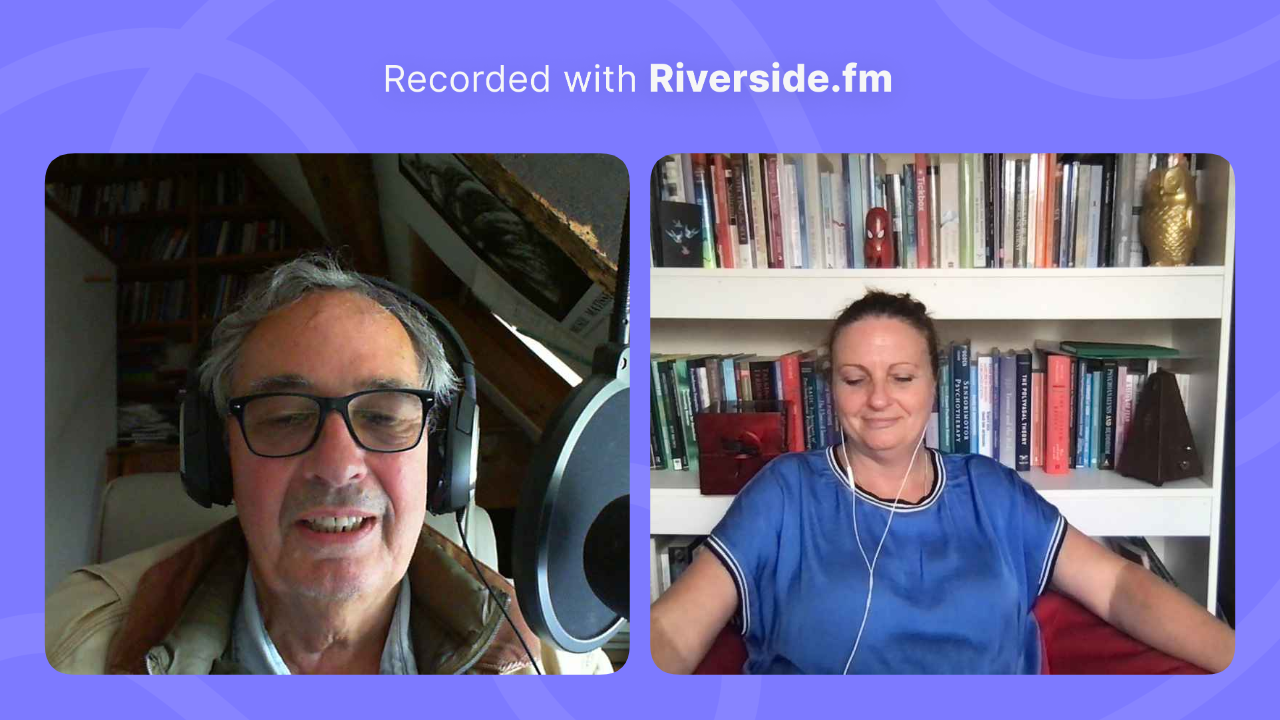
David is a psychotherapist who has worked leading therapeutic communities in English prisons and in Millfields, an NHS forensic setting in East London. Naomi is a Consultant Clinical and Forensic psychologist who was, for many years, clinical lead at The Fens, a treatment programme for serious offenders at HMP Whitemoor. We had both experienced painful and destructive forces in our work and so we set out to discover what things make a positive difference for staff and service users and what is it that makes things go wrong. Of course we found out that there is no easy answer but there are many fascinating and valuable experiences to be heard.