The Locked up Living Podcast: Surviving and thriving in prisons and other challenging environments
Can institutional culture challenge your mental health? What if your job makes you feel shame, sadness, grief, disgust and fear? What if you are expected not to feel? Or you are expected to be relentlessly competitive? What it’s like to live or work in a prison? Does working with people who commit murder, child abuse and rape affect people who work in prisons and the wider criminal justice system?
How do people survive and thrive when facing significant challenges to our emotional health over a lengthy period? How do we protect ourselves and stay compassionate, loving and trusting? Importantly, how do we find and preserve hope?
Fyodor Dostoevsky wrote that “The degree of civilisation in a society can be judged by entering its prisons”. In this weekly podcast ,your hosts, David Jones (Forensic psychotherapist) and Dr Naomi Murphy (Consultant Clinical & Forensic Psychologist) hope that exploring less visible aspects of prisons will help listeners see that prisons are a window into society and let us see people not only at their worst but also at their best. We feature a rich range of guests sharing snap shots of life in prisons and take a look at hospitals, schools, sport and the police in order to learn from other institutions. We learn about challenges to human integrity and hear important lessons and heart-warming stories about survival and growth when facing adversity in harsh places. We hope that sharing our conversations can help you make changes to your own relationship with institutions that might challenge your emotional health and well-being.
Follow and connect with us and give us feedback. Let us know what you think works, and also what doesn’t. We want you to look forward to the podcast each week. We’ll also be extremely grateful for any reviews that you give us. A simple star or two or a thumbs up will do.
Email: lockedupliving@gmail.com or connect with us on:
Substack: https://lockedupliving.substack.com
Twitter: https://twitter.com/LockedUpLiving
Linkedin: https://www.linkedin.com/in/naomimurphypsychologist/
https://www.linkedin.com/in/david-jones-41910b12/
Insta: https://www.instagram.com/lockedupliving/







Episodes

Aug 25, 2021
Aug 25, 2021
1hr 16 min
Paul Bradford was a serving police officer for thirty years rising to the rank of Inspector. As a single parent family he strove to manage his career to ensure that he was able to best look after his family. His time in community policing enabled him to spend time with victims of crime in ways since eliminated by the new managerialism. He brounght the insights and sensitivity that he gained to his research 'An Emotional Response: The theoretical case for the development of emotional literacy and procedural justice in police call handling.' In this conversation Paul talks about his research and some of the wider implications for police forces.
This conversation is part of a double bill we release along with Sarah-Jane Lennie's research on supporting police officer’s emotional wellbeing through the exploration of officer’s lived experience and the impact of organisational culture on individual mental health.
Aug 18, 2021
Aug 18, 2021
58 min
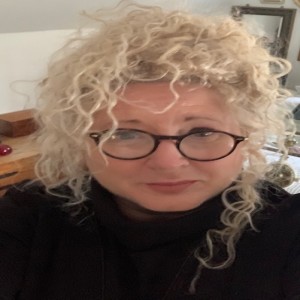
This is a powerful conversation which is sometimes painful to hear as Lucy describes the inequalities and persecutions for imprisoned mothers and their children. Dr Baldwin points out that the female prison estate is much more related to the needs of the prison service than the risk level of women themselves. The needs of their children are frequently ignored or given a low priority and she points out the importance of ‘academic activism’ in this situation.
(Don't forget to listen to Naomi and Davids final comments at the end.)
Lucy is a Senior Lecturer and researcher at De Montfort University. Lucy has worked in criminal and social justice for over 30 years being also a qualified social worker and probation officer. Lucy’s research and publications focus predominantly on the impact of imprisonment on mothers and their children. Lucy’s Doctoral research focussed on the persisting impact of maternal imprisonment, particularly concerning maternal identity and maternal role. Lucy gave evidence to the recent female focussed farmer review and the 'Joint Human Rights Inquiry in Maternal Imprisonment and the Rights of the Child'. Lucy is currently researching the supervision of mothers and trauma informed probation practice.
When Lucy published Mothering Justice in 2015 it was the first whole book in the Uk to take motherhood as a focus in relation to criminal and social justice. She says thankfully since then the world is more interested in the topic and in the circumstances surrounding criminalised mothers and their children. Lucy has published a number of articles and book chapters (some of her work can be accessed here https://www.nicco.org.uk/directory-of-resources/lucy-baldwin-works-on-maternal-imprisonment) and is currently working on three edited collections and two books - all related to women, mothers and justice. Lucy is a passionate and active advocate for positive change for criminalised women and would like to see a drastically reduced prison population and increased use gender tailored community disposals. Lucy is working closely in partnerships with several organisations to provide resources and training for those working with criminalised mothers and mothers themselves.
Aug 11, 2021
Aug 11, 2021
1hr 19 min
Please note this is an audio recording. To see the video with pictures click here
https://youtu.be/rGmh58M0f-0
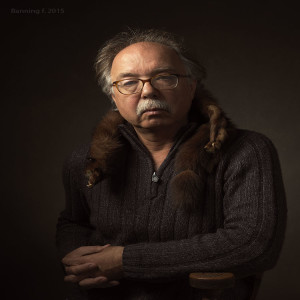
Jan Banning is a Dutch autonomous artist/photographer, based in Utrecht, the Netherlands.
He was born in Almelo (Netherlands) on May 4, 1954, from Dutch East Indies parents, and he studied social and economic history at the Radboud University of Nijmegen. Both of these facts have had a strong influence on his photographic works.Banning’s work always has a social focus. The social political environment is put at the fore and it often concerns subjects that have been neglected within the arts and are difficult to portray: state power, consequences of war, justice and injustice. In this conversation we mainly talk about his work making portraits of prisoners in US prisons and in particular about Christina Boyer, wrongly imprisoned for the murder of her daughter. You can see more about this herehttps://gogetfunding.com/wrongfully-imprisoned-for-her-daughters-death-the-book/and read more about Jan below
https://www.janbanning.com/
Aug 4, 2021
Aug 4, 2021
1hr 28 min
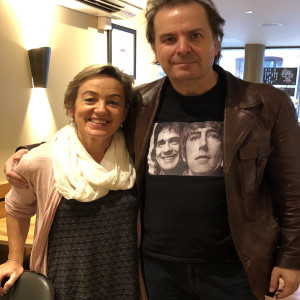
Jo is a remarkable woman who has led an extraordinary life. Many would see her as being highly privileged but her description and understanding of the pain experienced by little children left in boarding school is painful to hear. She also speaks out about the sexual abuse which took place in Sherborne Prep School, in particular but not only, and how nobody was held to account despite the evidence.
"I guess you could describe me as a campaigner for justice for Boarding School CSA Survivors. 2009 to date. Calling for the urgent introduction of Mandatory Reporting of CSA in UK which most of the the rest of the world has had for some time. You can see in Mandate Now https://mandatenow.org.uk/
Australia are setting a great example whilst U.K. drags its heels like a petulant child.
Sherborne is an excellent example of how a microcosm society with a Prep and 2 single sex Public Schools effectively covers up CSA (in the case of Lindsays) for over 100 years and it is very like the total abuse of power by Establishment in Jersey. Absolutely horrific! Money and power always prioritised over children’s lives forever."
Jul 28, 2021
Jul 28, 2021
1hr 1 min
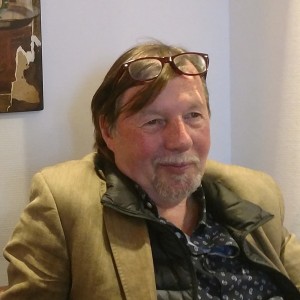
Christoph Heubner is a poet and writer of short stories. In addition he has had a long-term collaboration with the Action Reconciliation Service for Peace based in Berlin, he is Vice President of the International Auschwitz Committee and Member of the International Auschwitz Council. He has been associated with the International Youth Centre from the beginning, and is one of the founders of this institution in Oświęcim. (https://mdsm.pl/en/)
He wrote this poem for us to mark International Holocaust remembrance Day.
Remember the trees and the wind, rememberremember, the wind and the treesno, they did not surrender................please do remember these..............the smoke and the ashes, rememberremember, the ashes, the green.......no, they did not surrender................remember them, it has been......
Auschwitz is a powerful representation of the extremes of cruel and harsh imprisonment and the ideologies underlying it. But it is not alone, there were examples before and since. In this conversation Christoph talks about the effect of imprisonment on people in its most concrete form, like Auschwitz and through the actions of oppresive regimes which at times can be more difficult to discern. He talks about his early lifein an Oxford night shelter and on becoming a poet. He describes his many years of involvement with Auschwitz and with the Youth Centre, including, as allegory and metaphor, many beautiful and poiingnant tales of survivors.
In his conversation he mentions several notable people and artefacts
Vasil Bykau was an outstanding writer who wrote about experiences in the Second World War and fought politically against the 'imprisonment of the mind' that the KGB imposed and continues to impose in Belarus.
https://en.wikipedia.org/wiki/Vasil_Byka%C5%AD
The poem that Christoph mentions at the end is by Robert Frost, 'and so many miles before I sleep....'
https://www.poetryfoundation.org/poems/42891/stopping-by-woods-on-a-snowy-evening

Jul 21, 2021
Jul 21, 2021
49 min
How can blogging help your mental health? Today's guest is Dennis Relojo-Howell founder of Psychreg, a digital company that focuses on psychology, mental health, and wellness and has almost 24k subscribers to his Youtube channel. Dennis is doing a PhD in clinical psychology at the University of Edinburgh focused on blogging as a wellbeing activity. In March this year he won the competition “I’m a scientist get me out of here” which is an online programme that enables students to ask STEM professionals questions. In this conversation he tells his amazing story from being born in a Philippine backstreet to becoming a psychologist, developing his prolific website Psychreg and describing his ideas about resiliance and creativity.
https://www.psychreg.org/dennis-relojo-howell/

Jul 14, 2021
Jul 14, 2021
50 min
Dr Roberta Babb is a chartered Clinical Psychologist, organisational consultant and a registered forensic psychotherapist. She and David first met when they both worked at the Millfields Unit, a forensic unit for working with men who had offended and who had personality disorders. That was about thirteen years ago so Roberta has worked in the field for a considerable time. Since then she has developed a number of creative initiatives, including some related to gang cultures, rather than settling into a conventional psychology post. In this conversation Roberta talks about her work, about racisim and about her determination to develop her own pathway where her individual contribution can be made.
Jul 7, 2021
Jul 7, 2021
1hr 3 min
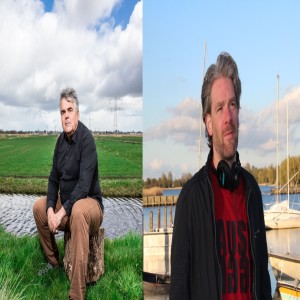
For this episode we are delighted to be hosting Frans Douw and Edwin Kleiss who present the “Prison Show” podcast. Although their podcast is most often recorded in Dutch, there are a number of English episodes so we would encourage you to check it out below. At the age of 20, Frans began working with young incarcerated people before heading up the Dutch Psychiatric Pre-trial Assessment Clinic for 10 years. Between 1988-2015, he was director of several houses of detention, prisons for men and woman and director of the Forensic Psychiatric Centre of the Dutch Prison System. His last position was as a Governor of several penitentiary institutes for long-term (including life-time) incarcerated people.For the last 15 years, Frans has been involved in international knowledge exchange projects within the scope of incarceration and human rights with Russia, former Soviet countries, Great Britain, the Caribbean and the USA. This international involvement sometimes occurs due to his own initiative, but he’s also worked with the Dutch ministry of Justice, NGOs like the Global Initiative on Psychiatry and Mainline and the Council of Europe.In 2011, Toon Walravens and Frans created the foundation of Recovery and Return. This foundation brings together victims, perpetrators, families and professionals and supports Restorative and Transformational Justice. The Podcast Prison Show which Edwin and Frans co-host is an activity of the foundation.
This is a link to our appearance on their Podcast which is in english as are these episodes,11, 21, 23, 29, 30, 39 and 44.
https://prisonshow.podbean.com/e/94-locked-up-living-podcast-with-naomi-murphy-david-jones-english/

Jun 30, 2021
Jun 30, 2021
1hr 18 min
Is it possible for a wife to be entirely oblivious of her husband's sexual offending? Do some people really "not know"? What's it like to discover your partner has been keeping an awful secret? How does the life of you and your children change when your partner is convicted of internet sexual offences?
We were introduced to our guest, Lucy, by Professor Winder of Nottingham Trent University who found Lucy to be a powerful and compelling speaker. This year she was invited to be key note speaker at the National Working Group tackling Child Sexual Exploitation. Many of the guests we’ve had on have been keynote speakers at national and international events but Lucy stands out as her invite wasn’t a result of her forensic research or treatment expertise but as a consequence of a path of activism that she embarked on in relation to her own experiences and her need to protect the wellbeing of her children. Lucy has a very important and moving story and we’re delighted to welcome her on to the podcast today to share some of her learning with us.
Jun 23, 2021
Jun 23, 2021
1hr 32 min
In this informal and wide ranging conversation Shadd explains what is meant by desistance and how this is distinguished from the term rehabilitation. With great warmth he thinks about the importance of listening, whether as a mentor or mentee and givies his assessment of the structure of forensic psychology
Shadd Maruna is Professor of Criminology at Queen’s University Belfast and a member of the Correctional Services Accreditation and Advice Panel. He has previously held the post of Dean of Rutger’s School of Criminal Justice in the USA and worked at Cambridge and Manchester Universities.
His research focuses on desistance and the implications for reintegration into society after imprisonment. In 2001, his book, “Making Good: How ex-convicts reform and rebuild their lives” was named as outstanding contribution to Criminology in 2001.
He has since authored or edited 6 other books and has won the Hans Mattick Award for distinguished contribution to criminology in 2014 and the inaugural research medal from the Howard League for Penal Reform in 2012 for his research’s impact on real world practice.
He has been a SOROS Justice fellow, a Fulbright Scholar and a Guggenheim Fellow. He has also been involved in several Learning Together partnerships between prisons and universities and is an advisor to several organisations that advocate for rights for people who’ve previously been imprisoned.
Shadd was a long term friend and colleague of Hans Toch, Austrian American social psychologist and criminologist. Shadd said Hans 'was my mentor for my whole professional career. And my role model as a scholar. He lived a great life. To 91. He called em like he saw em and he wasn’t afraid.'
As Distinguished Professor Emeritus in the School of Criminal Justice at the University at Albany, New York Professor Toch had an enormous influence on numerous people in the criminal justice field over many years. We are just receiving news of his recent death and will post when we know more.
Jun 16, 2021
Jun 16, 2021
1hr 20 min
Why do services for people diagnosed as personality disordered so often collapse?
The Henderson Hospital was one of the outstanding treatment facilities for traumatised people in the period after the second world war. It was hugely influential for psychiatric practice and the devlopment of therapeutic communities in prisons and one of the most researched institutions in the world. Yet it closed through a lack of funding at a time when fresh money for the treatment of personality disorders was coming on stream. Why and who was responsible? Fiona Warren who participated in the research which illustrated the cost effectiveness of the Henderson and Chris Scanlon who worked there towards the end in 2008, discuss these matters.
From a distance the loss of the Henderson seems mystifying and nobody seems keen to take responsibility. We shall revisit this debate and if you think you would like to contribute to this debate or know someone who could do let us know.
Fiona Warren is a Research consultant, writer, trainer and coach. She worked for ten years as a researcher with the South West London & St George's Mental Health NHS Trust based at St Georges Hospital and the Henderson Hospital. In 2005 Fiona took up a post as lecturer in psychology and eventually research director at the University of Surrey
Dr Christopher Scanlon is a Consultant Psychotherapist in general adult and forensic mental health in the NHS, he is also a Training Group Analyst at the Institute of Group Analysis. He has also worked at the Henderson Hospital the pioneering NHS facility for people with severe personality disorders.
Jun 9, 2021
Jun 9, 2021
1hr 20 min
Today’s guest is Professor Dominique Moran who is professor of carceral geography Birmingham University so her expertise is in providing a geographical perspective on incarceration.
Dominique is also Chair of the Carceral geography Working Group of the Royal Geographical Society with the Institute of British Geographies.
She is author of “Carceral Geography: Spaces and Practices of Incarceration and editor of a number of texts on spatial geography and its relation to imprisonment. She is also widely published in a number of leading geographical journals.
Jun 2, 2021
Jun 2, 2021
1hr 15 min
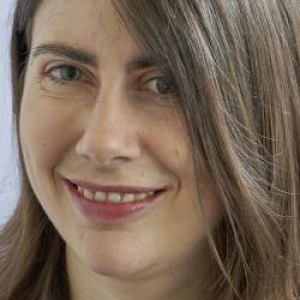
Sophie Ellis is a researcher at the Prisons Research Centre, at Cambridge University. She’s interested in the experience of imprisonment for those who live and work in prisons, and in the effects of prison on families. She’s also interested in the intersection between the ‘psy’ disciplines, and state institutions. Before arriving at Cambridge, she spent nine years working in prison-based psychology roles, doing assessments and group-based cognitive-behavioural programmes with prisoners.
During her time in the Prison Service, Sophie conducted research on the psychosocial characteristics of men who behaved violently in custody, and desisted over the course of their sentence. She was interested in how people managed to desist in an environment that typically has elevated levels of violence.
Sophie’s PhD is looking at the role of psychologists in English prisons. It explores their history, their culture, their professional identity, and how they make decisions about deploying their power and expertise in a socially and morally complex environment like prison.
May 26, 2021
May 26, 2021
1hr 17 min
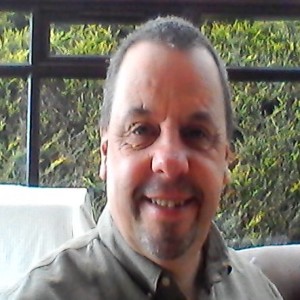
What does working as a forensic psychologist look like? Should I train as a clinical psychologist or a forensic psychologist? Am I too old to train as an applied psychologist? These are some of dilemmas facing todays guest
Marc originally thought of becoming a clinical psychologist before taking a twenty year break as a software developer. When he returned to psychology he took a different path.
Marc has been a practitioner forensic psychologist since 2003, becoming chartered with the British Psychological Society in 2006. He was Head of Psychology at four UK prisons, two in England and two in Scotland. In addition to conducting and reporting on risk assessments on serious offenders, Marc was involved in the delivery and management of accredited offending behaviour interventions that addressed intimate partner violence, general violence, sexual offending, substance-related offending, and anger-related violence. One aspect of his role that Marc particularly valued, was supervising Forensic Psychologists in Training as they worked towards chartership. He is delighted to be able to continue this nurturing and guidance role in his work with the students at Edinburgh Napier University.
Marc’s specialisms within forensic psychology are personality disordered offenders, intimate partner violence, hostage negotiation, and trauma-informed working.
Since joining Edinburgh Napier University, Marc has led on the development of a new Applied Forensic Psychology Master’s programme, which was accredited by the BPS in March 2021. Marc has designed the programme to enable students to develop some of the skills and insights that they will need in the workplace, so that they become immediately helpful to employers once they have graduated.
Marc continues, in a private capacity, to conduct risk assessments for both criminal justice and family courts. In this way his skills and experience remain current, something that he hopes will benefit the generation of psychology students currently studying at Edinburgh Napier University.
May 19, 2021
May 19, 2021
1hr 39 min
Why are emotions rarely discussed in forensic work? Are we frightened to discuss emotions like fear, sadness and shame? Is it dangerous to discuss these feelings? Would the criminal justice system look different if people did discuss their emotions more openly?
Somehow emotions and thinking became disconnected from many of our key services. We are fortunate that a number of skilled and experienced practitioners have taken time to reflect on the place of feelings and emotions in everyday life and the way they can affect our judgements.
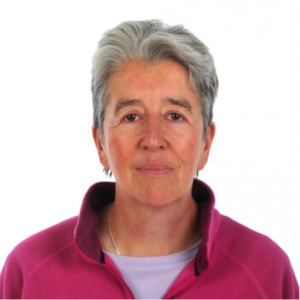
Our latest guest, Charlotte Knight, began her career in the probation service in 1973 and has extensive experience as a probation officer in a range of settings including both prison and the community.
In the second half of her career, Charlotte has been much more involved in working academically to develop probation officers. Her academic work involved setting up a diploma in probation studies and enabling the creation of a degree in criminology at De Montfort Uni. She completed a PhD in criminology in 2012 on the subject of emotional literacy in criminal justice and the book that emerged from this is a refreshing read for anyone who’s involved with the CJS. (https://www.amazon.co.uk/Emotional-Literacy-Criminal-Justice-Professional/dp/1137273208)
Although Charlotte retired from full-time teaching in 2011, she’s continued to work on a number of European Probation projects and also wrote a second book on LGBT people and the CJS. (https://www.amazon.co.uk/Lesbian-Bisexual-People-Criminal-Justice/dp/1137496975/ref=sr_1_1?dchild=1&keywords=Lesbian%2C+Gay%2C+Bisexual+and+Trans+People+%28LGBT%29+and+the+Criminal+Justice+System&qid=1621372526&s=books&sr=1-1)
May 12, 2021
May 12, 2021
1hr 15 min
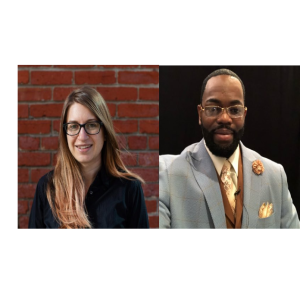
Work in the criminal justice sector evokes strong emotions. Whilst staff might often act as if frightened, angry or disgusted, its rare to hear them speak candidly about these feelings in a healthy manner. Rob argues the criminal justice system would be a healthier place if feelings like these were discussed.
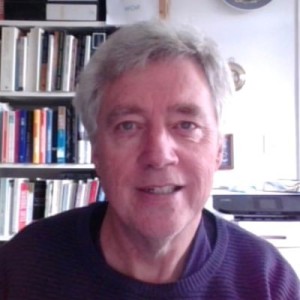
Rob Canton is Professor in Community and Criminal Justice at De Montfort University, Leicester, UK. Before joining De Montfort, he worked in the Probation Service for some 20 years in a number of different roles. Rob has contributed to probation development and general penal reform in more than ten different countries, mostly in Europe. He was co-opted to the Council of Europe to develop the European Probation Rules (2007 - 10) and again in 2015 - 2016 to revise the European Rules on Community Sanctions and Measures. He also acted as a Specialist Adviser to the House ofCommons Justice Select Committee in its Inquiry into the Role of the Probation Service (2010 - 11).
Rob has written a number of articles and book chapters, many about probation, although also about international work and policy transfer. His book, Probation: Working with Offenders , was published by Routledge in 2011, and a second edition, Probation , written with Jane Dominey, came out at the end of 2017. More recently, he has been trying to understand punishment more widely and Why Punish? An Introduction to the Philosophy of Punishment was published by Palgrave Macmillan in June 2017.
May 5, 2021
May 5, 2021
1hr 29 min
We are very excited by this episode and had a great time meeting our two guests from the USA. Food is central to our existence, health and wellbeing. All of us.
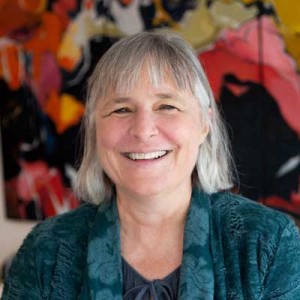
Leslie Soble is a research fellow for the Food in Prison Project and the lead author of Impact Justice’s recent report, Eating Behind Bars: Ending the Hidden Punishment of Food in Prison. An ethnographer and folklorist, Leslie holds an MA in cultural sustainability with a focus on the intersection of foodways, narrative theory, and social practice art.
Roy Waterman is a chef, mentor, activist and agent of change, one who is committed to assisting in the growth and the development of the lives of all people, especially those formerly incarcerated.
Leslie and Roy engage in a stimulating and hard hitting conversation about the meaning of food in prison, how it is managed and used as a tool to further punish and humiliate incarcerated people. This was the starting point in a discussion which touched upon the use of language and the matter of power and politics in the administration of justice.
For more on how to avoid the use of negative language follow this link. https://cmjcenter.org/wp-content/uploads/2017/07/CNUS-AppropriateLanguage.pdf
Apr 28, 2021
Apr 28, 2021
49 min
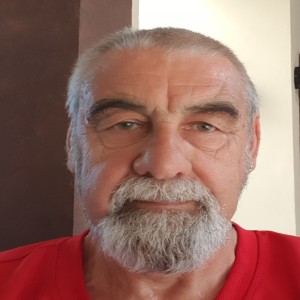
"In this episode David and Naomi talk with Sarah Peyton a neuroscience educator, constellation facilitator, Nonviolent Communication Trainer and author of Your Resonant Self and Your Resonant Self Workbook about her work with women in a prison in the USA. Sarah invites audiences into a compassionate understanding of the effects of relational trauma on the brain and teaches about how to use resonance to change and heal. She discusses how introducing people to the neuroscience of trauma can help them gain mastery over their past.
Check out her website www.sarahpeyton.com to find stacks of resources including meditations that are tailored for those who might struggle to participate in this ordinarily".
Apr 21, 2021
Apr 21, 2021
1hr 12 min
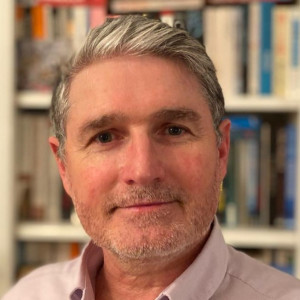
Roland Woodward is a chartered forensic psychologist and has more than forty years’ experience of working in the criminal justice system, most of it within the prison service. Roland worked at HMP Grendon and has also managed the psychological services at HMP Gartree where he opened the first therapeutic community for life sentence prisoners. Following that he was the first Director of Therapy at the Dovegate prison therapeutic community which has 200 residents in five different communities. In this conversation he describes his beginning at the young offender's prison Glen Parva and how he learned about therapeutic communities from Judy Mackenzie before moving to HMP Grendon to be 'deconstructed'. This is an amusing and vivid account of his time from being a 'junior' psychologist to creating a major treatment facility at HMP Dovegate and the way that his philosophy developed and influenced his policy decisions
Apr 14, 2021
Apr 14, 2021
1hr 7 min
What is Restorative Justice? Is it a "soft touch" approach to crime and reducing offending? How do victims of crime experience RJ? Does punishment work better?
Dr Gerard Drennan Ph.D. is a Consultant Clinical Psychologist and Psychoanalytic Psychotherapist, who holds the post of Head of Psychology & Psychotherapy in the Behavioural & Developmental Psychiatric Operational Directorate of the South London & Maudsley Mental Health Foundation Trust. He is also an Honorary Lecturer at the Institute of Psychiatry, Psychology & Neuroscience at Kings College London.Gerard qualified as a clinical psychologist in Cape Town.His doctoral research examined the practical and political role of language and interpreters in mental health practice in post-colonial, institutional settings.This research ran concurrently with the work of South African Truth and Reconciliation and was touched, as all South Africans were, by the restorative aspirations of that nation-building endeavour.Gerard has held clinical and leadership roles in forensic and offender mental health settings in London and Sussex for the past 20 years. This included a leadership role in developing the Millfield Unit, part of the Personality Disorder and DSPD project. He has published on the implementation of recovery-oriented practice and, since training in restorative justice conferencing in 2012, has worked and written on the place of restorative justice practices in mental health settings.
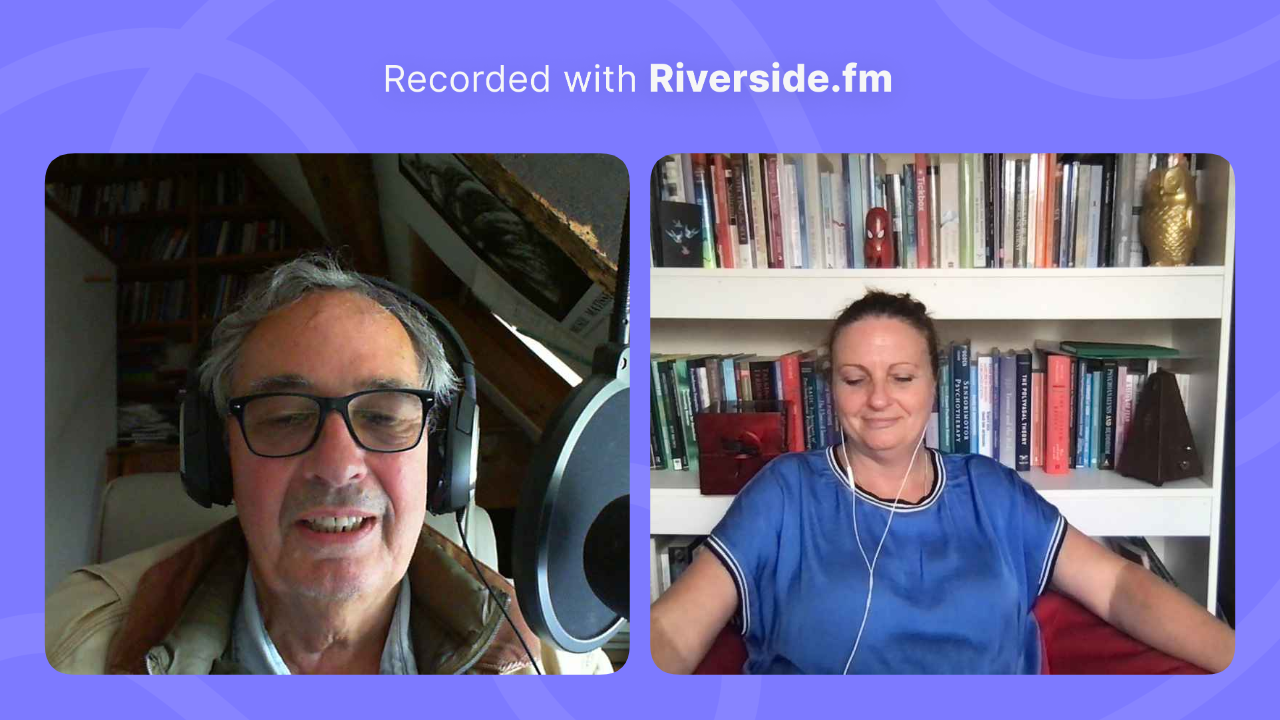
Why 'Locked up Living?'
David is a psychotherapist who has worked leading therapeutic communities in English prisons and in Millfields, an NHS forensic setting in East London. Naomi is a Consultant Clinical and Forensic psychologist who was, for many years, clinical lead at The Fens, a treatment programme for serious offenders at HMP Whitemoor. We had both experienced painful and destructive forces in our work and so we set out to discover what things make a positive difference for staff and service users and what is it that makes things go wrong. Of course we found out that there is no easy answer but there are many fascinating and valuable experiences to be heard.